



Introduction
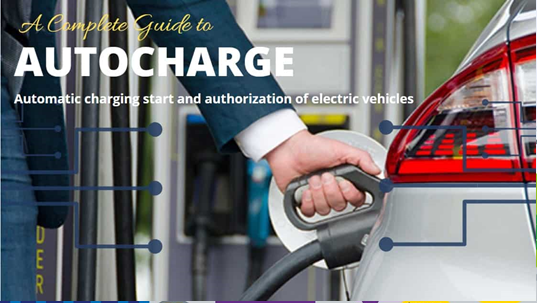
How to overcome the challenges draws attention to E-mobility/, or the use of electric vehicles (EVs) and associated infrastructure. They pose several challenges in rural areas of India. While e-mobility has gained traction in urban centers. However, rural areas face unique obstacles that hinder the widespread adoption of electric vehicles. Let us pay attention to how to overcome challenges. For executing the project of overcoming the challenges, please pay attention to:https://readwrite.in/project-execution/
Details
How to overcome challenges associated with e-mobility in rural areas of India. This question draws attention to the following challenges.
Need for charging infrastructure:
One of the primary challenges in rural areas is the limited availability of charging infrastructure. Electric vehicle charging stations are predominantly concentrated in urban areas, leaving rural regions underserved. Establishing a robust network of charging stations in rural areas is essential for EV adoption.
Limited access to electricity leads to the question of how to overcome the challenges:
Rural areas often face electricity shortages and erratic power supply. Insufficient and unreliable electricity infrastructure can impede the charging process for EVs. Without reliable access to electricity, the charging infrastructure cannot adequately support the changing needs of electric vehicles.
High initial cost:
The upfront cost of electric vehicles tends to be higher than traditional internal combustion engine vehicles. This cost factor can be particularly challenging in rural areas, where incomes are often lower compared to urban areas. The high initial investment required for purchasing an electric vehicle can deter potential buyers in rural communities.
Limited awareness and education:
Awareness and education about electric vehicles and their benefits are crucial for their adoption. However, rural areas often lack adequate awareness and educational initiatives about e-mobility. Limited knowledge about electric vehicles, their performance, cost savings, and environmental benefits can create scepticism and reluctance among rural residents.
Range anxiety:
Range anxiety refers to the fear or concern that an electric vehicle’s battery will run out of power before reaching the destination or a charging station. In rural areas with limited charging infrastructure, the fear of getting stranded due to insufficient charging options may discourage potential EV buyers.
Poor road infrastructure is a problem for answering the question of how to overcome the challenges:
Rural areas often have underdeveloped road infrastructure, which can affect the efficiency and performance of electric vehicles. Inadequate road conditions, potholes, and lack of maintenance can negatively impact the driving experience and range of EVs.
Limited vehicle options are one of the main obstacles to answer, how to overcome challenges:
The availability of electric vehicle models in rural areas may be limited compared to urban areas. Automobile manufacturers often prioritize urban markets due to higher demand and infrastructure support, resulting in fewer options for potential buyers in rural regions.
Battery disposal and recycling are hindering to answer the question of how to overcome challenges :
Proper disposal and recycling of electric vehicle batteries are critical for environmental sustainability. However, rural areas may lack the necessary infrastructure and facilities for the responsible disposal and recycling of EV batteries. Inadequate battery management practices can lead to environmental hazards.
How to overcome the challenges mentioned above? The answer is we need to mobilize resources. For mobilization please pay attention to: https://readwrite.in/resource-mobilization/
Conclusion
An approach for how to overcome challenges requires a multi-faceted root. It includes investments in charging infrastructure, improvements in electricity access, awareness campaigns, financial incentives, and policy support from the government to promote e-mobility in rural areas.
Collaborations between government, industry stakeholders, and communities are vital to overcome these challenges and unlock the benefits of e-mobility in rural India.


