



Introduction of renewable energy types:
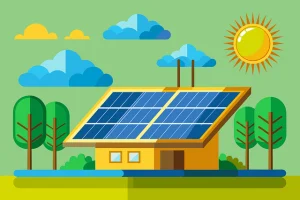
Many blogs on Energy fall under the “renewable energy types” category,
Details of renewable energy types:
Solar Energy:
- The undisputed champion, solar energy harnesses the power of the sun. Photovoltaic (PV) panels convert sunlight directly into electricity, powering homes, businesses, and even entire communities. Solar thermal systems capture heat for water heating and space conditioning. With falling costs and increasing efficiency, solar energy is becoming a mainstream choice.
Blogs on Solar Energy
Blog Solar Energy discusses the advantages and disadvantages of solar energy. Please refer
“A brief description of energy is available on Wikipedia.” Please refer
https://en.wikipedia.org/wiki/Energy
Wind Energy:
Wind turbines convert the kinetic energy of moving air into electricity. These towering structures are often found in wind farms, but smaller-scale turbines can be used in homes as well. Wind power offers a reliable and clean source of energy, especially in areas with consistent wind pattern.
Hydropower: The force of moving water has been utilized for centuries to generate electricity. Hydroelectric dams capture the energy of falling water, driving turbines that produce power. While large-scale dams can have environmental impacts, smaller-scale hydro projects and run-of-the-river systems offer a more sustainable option.
Geothermal Energy: The Earth’s core radiates heat, and geothermal energy taps into this hidden resource. Geothermal power plants use steam from hot underground reservoirs to generate electricity. This method is reliable and has minimal emissions, but suitable locations are limited.
Ocean Energy:The vast potential of the oceans is harnessed in various ways to generate renewable energy. Wave energy utilizes the power of waves, while tidal energy captures the movement of tides. Ocean currents can also be a source of energy, and ocean thermal energy conversion (OTEC) exploits the temperature difference between surface and deep ocean water. Though still in development, these technologies offer exciting possibilities for the future.
- Biomass Energy: Organic materials like wood chips, agricultural waste, and even municipal solid waste can be converted into electricity through biomass energy. While burning biomass releases some emissions, it’s considered renewable because the source materials can be replenished through sustainable practices.
Summary
These are just some of the major contributors to the renewable energy types, landscape. As research and development continue, we can expect even more innovative ways to harness clean energy from nature. By embracing these renewable resources, we can power our future in a sustainable way for generations to come.


