



Introduction: Biomass Resource Requirements in Madhya Pradesh
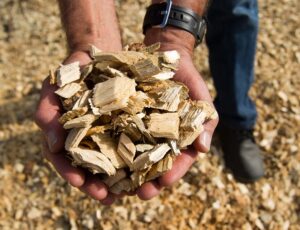
The ability to do work is called energy. The total amount of energy in the universe is constant. It can neither be decreased nor increased. Only the type of energy keeps changing. In this article, we will focus on the target of electricity production from renewable energy sources i.e. Biomass in Madhya Pradesh.
Electric energy is measured in kilowatts per hour. The measurement of one unit of electricity is one kilowatt per hour.
Target of obtaining electricity from renewable energy sources
The target of obtaining electricity from renewable energy sources in India by 2030 has been set at 500 gigawatts.
One gigawatt = one billion watt
One gigawatt = 1000 megawatts
7,75,000 homes can be electrified with one gigawatt of energy.
The global push towards sustainable energy solutions is intensifying, and biomass energy is poised to play a crucial role in meeting future energy demands. As we approach 2025-2030, understanding the requirement of biomass resources becomes paramount for achieving targeted energy goals. This blog delves into the critical aspects of biomass resource availability and utilization in the coming years
Description: Biomass Resource Requirements in Madhya Pradesh
The Rising Demand for Biomass Energy:
With increasing concerns about climate change and the need to reduce reliance on fossil fuels, renewable energy sources are gaining traction. Biomass, derived from organic matter, offers a versatile and readily available alternative. It can be converted into various forms of energy, including heat, electricity, and biofuels, making it a valuable asset in the transition to a low-carbon economy.
India has set ambitious targets for biomass energy as part of its renewable energy goals:
-
National Bioenergy Programme:
– The Ministry of New and Renewable Energy (MNRE) has notified the National Bioenergy Programme for the period 2021-2026 with an outlay of Rs. 858 crore under Phase-I.
– The programme includes sub-schemes such as the Waste to Energy Programme, Biomass Programme, and Biogas Programme.
-
Power Generation Potential:
– The annual power generation potential from biomass is estimated to be 208 billion units (BU) from 28 GW of installed capacity.
– Additional bagasse -based cogeneration potential is estimated to be 65 BU from 14 GW of installed capacity.
-
Bioethanol and Biogas Production:
– Bioethanol production potential from agricultural waste includes sugarcane, rice, and maize.
– Compressed biogas (CBG) production potential includes cattle dung, municipal solid waste, and paddy straw.
-
Future Targets:
– India aims to achieve 500 GW of non-fossil fuel energy capacity by 2030, with biomass energy playing a significant role in this target.
– The SATAT (Sustainable Alternative Towards Affordable Transportation) scheme targets the production of 15 MMT of CBG from 5000 plants by 2023.
These targets and resources highlight the significant potential of biomass energy in India and its role in achieving the country’s renewable energy goals.
Target to obtain energy from renewable sources
As per Madhya Pradesh’s plan for 2022-23, the total electricity will be produced from renewable sources as follows:
Source Capacity in MW Percentage
Large Hydro Projects 3224 34.49
Sun Energy 3022 32.33
Wind Energy 2844 30.42
Small Hydro Projects 124 1.32
Bio Shakti 133 1.43
Total 9947 MW
Available Resources for Biomass Energy in India
India has a diverse range of biomass resources that hold significant potential for energy generation. Some of the key biomass sources include:
-
Agricultural Biomass:
– Crop Residues:
Rice straw, wheat straw, sugarcane bagasse, maize stalks, cotton stalks, and groundnut shells are some of the major crop residues used for biomass energy.
– Forestry Biomass:
Forest residues, wood processing residues, and other vegetation are significant sources of biomass.
– Urban and Industrial Waste:
Municipal solid waste (MSW) and industrial residues like bagasse and rice husk are valuable for energy production.
– Animal Waste:
Cow dung and poultry litter are commonly used as biomass resources.
-
Biomass Availability:
– The available biomass in India currently stands at 750 million metric tonnes (MMT) per year, with surplus biomass availability of 230 MMT per year.
– An estimated 32% of total primary energy use in India is derived from biomass, and over 70% of Indians depend on biomass for their energy needs.
Challenges in Meeting Biomass Resource Requirements:
Despite the abundance of biomass resources, several challenges need to be addressed:
-
Sustainable sourcing:
Ensuring that biomass is sourced sustainably to avoid deforestation, soil degradation, and competition with food production is crucial. Biomass sustainability needs to be a primary focus.
-
Logistics and transportation:
Efficient collection, storage, and transportation of biomass are essential for cost-effective energy production. Biomass supply chain optimization is critical.
-
Technological advancements:
Developing advanced conversion technologies that can efficiently utilize diverse biomass feedstocks is vital. Biomass conversion technologies are under constant improvement.
-
Policy and regulatory frameworks:
Supportive policies and regulations are needed to incentivize biomass energy production and attract investment. Biomass policy is a key component to growth.
-
Land use competition:
Balancing biomass production with food production and other land uses is essential. Land use for biomass must be considered carefully.
Strategies for Optimizing Biomass Resource Utilization:
To meet the growing demand for biomass energy, several strategies can be implemented:
-
Promote sustainable agricultural practices:
Encouraging the use of conservation agriculture and integrated farming systems can enhance biomass production and soil health.
-
Invest in dedicated energy crop cultivation:
Supporting the development of high-yielding and resilient energy crops can ensure a stable biomass supply.
-
Develop efficient biomass collection and transportation systems:
Implementing optimized logistics and infrastructure can reduce costs and improve efficiency.
-
Support research and development of advanced conversion technologies:
Investing in innovative technologies like gasification, pyrolysis, and anaerobic digestion can enhance biomass utilization.
-
Implement supportive policies and regulations:
Providing incentives, subsidies, and clear regulatory frameworks can encourage biomass energy production.
-
Utilize waste streams:
Focus on circular economy approaches that use waste streams, like MSW and industrial waste, for biomass energy production.
The Future of Biomass Energy:
As we move towards 2025-2030, the demand for biomass energy will continue to grow. By addressing the challenges and implementing effective strategies, we can harness the vast potential of biomass resources to achieve our targeted energy goals and create a sustainable future.


